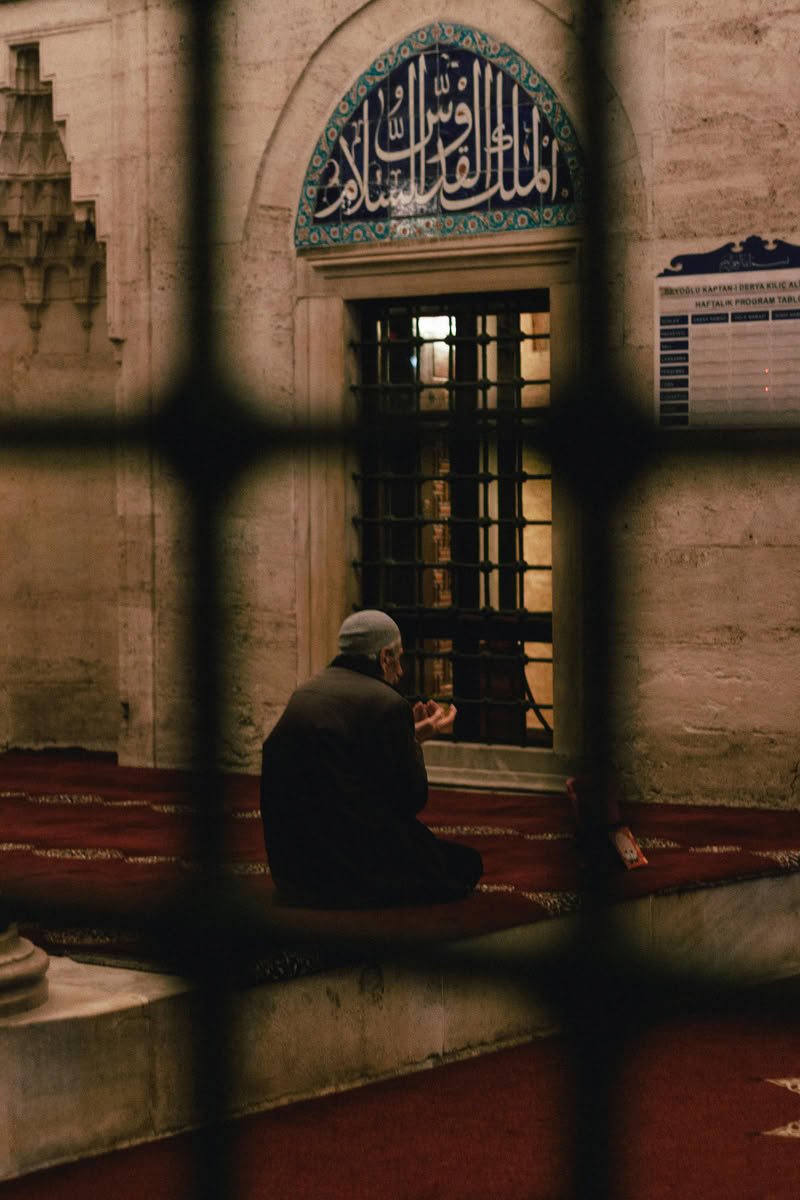
The Nature of Prayer
A Muslim’s Perspective
As a devout Muslim, prayer is a cornerstone of my life. It is not merely a ritualistic act
but a profound expression of faith and connection with Allah (SWT). The act of prayer, or
“dua,” serves as a direct line of communication between the believer and the Creator. It is
in these moments of sincere supplication that we lay bare our hearts, hopes, and fears
before Allah, seeking His mercy, guidance, and support.
The Essence of Dua
In Islam, dua is much more than asking for what we want; it is an acknowledgment of Allah’s
omnipotence and our dependence on Him. The Prophet Muhammad (PBUH) said, “Dua is the essence
of worship.” This highlights the significance of supplication in our spiritual lives. When
we raise our hands and voice our needs, desires, and gratitude, we reaffirm our belief in
Allah’s infinite wisdom and mercy.
Unanswered Prayers
One of the most challenging aspects of faith is coming to terms with seemingly unanswered
prayers. There are times when we fervently ask for something, pouring out our hearts in
desperate pleas, yet the response we hope for does not materialize. This can lead to
feelings of frustration, disappointment, and even doubt. However, from an Islamic
perspective, it is essential to understand that Allah, in His infinite wisdom, knows what is
best for us, even when we do not.
The Quran reminds us in Surah Al-Baqarah (2:216): “But perhaps you hate a thing and it is
good for you, and perhaps you love a thing and it is bad for you. And Allah knows, while you
know not.” This verse encapsulates the essence of our relationship with Allah regarding our
prayers. It teaches us that what we perceive as an unanswered prayer may actually be a
manifestation of Allah’s greater plan for our well-being.
The Three Responses to Dua
Islamic teachings suggest that there are three possible responses to our duas:
1. Immediate Acceptance:
Sometimes, Allah grants our wishes exactly as we have asked. This is a blessing and a sign
of His mercy. When this happens, it strengthens our faith and encourages us to continue
seeking His help and guidance.
2. Delayed Response:
At times, Allah delays the fulfillment of our prayers. This delay is not a denial but a test
of our patience and trust in Him. It is in these periods of waiting that we grow
spiritually, learning to rely on Allah’s timing rather than our own.
3. Better Alternative:
There are instances when Allah does not grant our specific request because He has something
better in store for us. This alternative might not be immediately apparent, but in
hindsight, we often realize that what Allah provided was far superior to what we had asked
for.
The Power of Sabr (Patience)
Patience, or “sabr,” is a virtue highly emphasized in Islam. When our prayers seem
unanswered, it is an opportunity to cultivate patience and trust in Allah’s plan. The Quran
repeatedly stresses the importance of patience and perseverance. In Surah Al-Baqarah
(2:153), Allah says, “O you who have believed, seek help through patience and prayer.
Indeed, Allah is with the patient.”
Patience is not merely a passive act of waiting but an active demonstration of our faith in
Allah’s wisdom. It is during these times that our character is tested and strengthened. By
remaining steadfast and patient, we show our commitment to Allah’s will and our trust in His
plan for our lives.
Trusting Allah’s Wisdom
As Muslims, we believe that Allah is Al-Hakeem, The All-Wise. His wisdom is beyond our
comprehension, and His plans for us are always for our ultimate good, even if we cannot see
it at the moment. Trusting in Allah’s wisdom means accepting that our knowledge is limited
and that His understanding of our needs and circumstances is perfect.
In times of difficulty, it is comforting to remember the story of Prophet Yusuf (Joseph).
Despite the many hardships he faced, including being thrown into a well by his brothers,
sold into slavery, and wrongfully imprisoned, Yusuf remained patient and steadfast in his
faith. Ultimately, Allah’s plan for him unfolded, and he was elevated to a position of great
honor and authority. Yusuf’s story is a powerful reminder that Allah’s wisdom and plans are
always for the best, even if the path is fraught with challenges.
The Role of Gratitude
Gratitude, or “shukr,” is another essential aspect of our relationship with Allah. The Quran
emphasizes the importance of being grateful for Allah’s blessings. In Surah Ibrahim (14:7),
Allah says, “If you are grateful, I will surely increase you [in favor]; but if you deny,
indeed, My punishment is severe.”
When we focus on the blessings we have received, rather than dwelling on what we perceive as
unanswered prayers, we cultivate a sense of contentment and peace. Gratitude shifts our
perspective from what we lack to what we have, reinforcing our trust in Allah’s provision
and mercy.
Continuous Supplication
Persistent supplication is a sign of a true believer. The Prophet Muhammad (PBUH) encouraged
us to continue making dua, even if we do not see immediate results. He said, “The
supplication of every one of you will be granted if he does not get impatient and say, ‘I
supplicated my Lord but my prayer has not been answered.’” This hadith emphasizes the
importance of persistence and patience in our supplications.