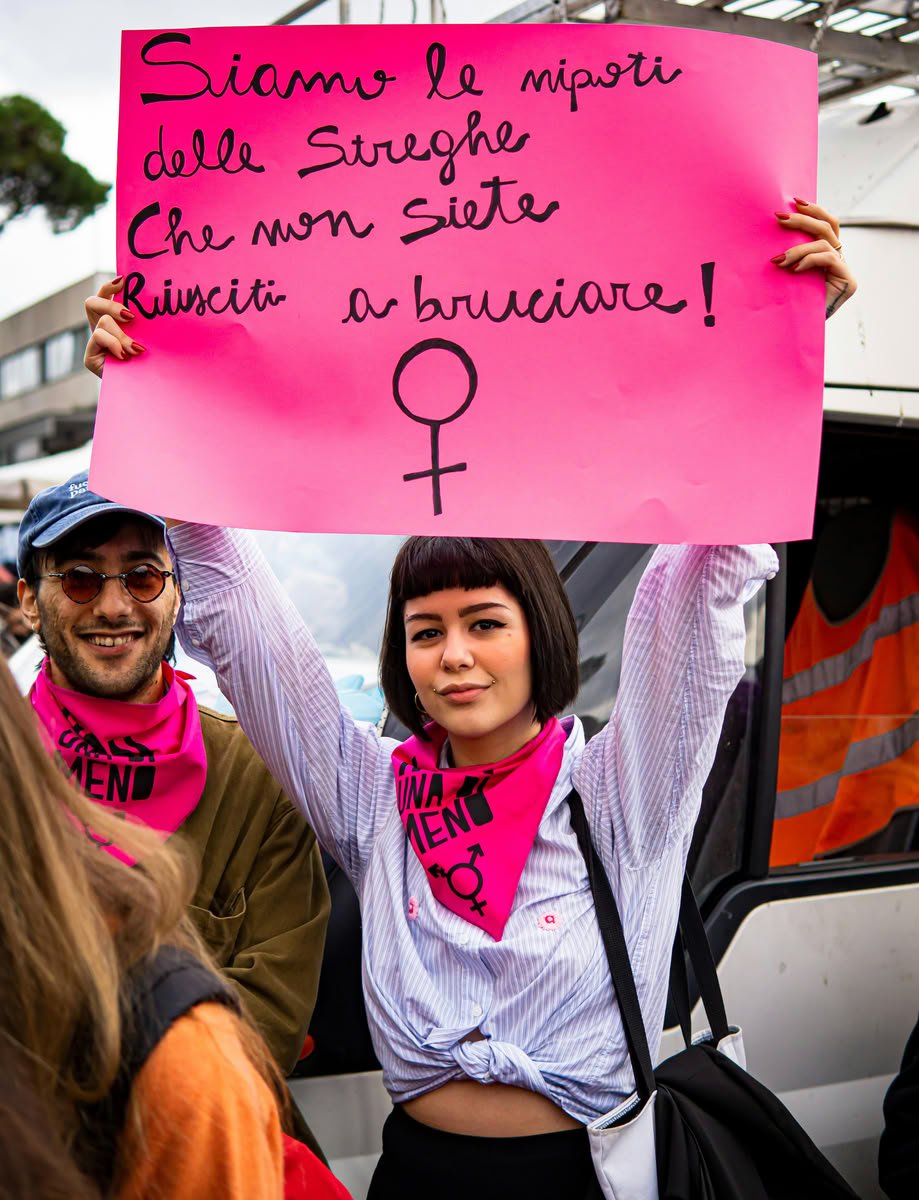
In the Shadows of Silence
The Unspoken Plight of Women in the Workplace In the tapestry of modern society, the workplace is often depicted as a battleground for equality and respect, a place where merit and effort determine one’s trajectory. However, beneath this veneer of professionalism and progress, a more sinister reality lurks, particularly for women. This reality is starkly evident in countries like Turkey, where cultural, social, and legal frameworks often provide insufficient protection and support for women facing sexual harassment and assault at work.
Consider the story of a dear friend, a mother of two and a widow, who has found herself
repeatedly victimized in the very places she sought to earn a living and support her family.
Her experiences are not anomalies but rather distressing exemplars of the pervasive and
often unspoken challenges women encounter daily.
Sexual harassment in the workplace manifests in various insidious forms, from lewd remarks
and inappropriate touching to coercion and outright assault. For many women, especially in
environments where patriarchal norms are deeply entrenched, these incidents are not just
isolated events but a daunting, everyday reality. The repercussions extend beyond the
immediate trauma and discomfort, often leading to job loss, stigmatization, and long-term
psychological distress.
In Turkey, as in many parts of the world, the cultural stigma attached to victims of sexual
harassment exacerbates the problem. Women who dare to speak out are often met with
skepticism, victim-blaming, and social ostracization. The fear of these repercussions forces
many to suffer in silence, perpetuating a cycle of abuse and impunity. Moreover, the legal
avenues available to victims are fraught with obstacles, from bureaucratic red tape to a
lack of sensitivity in the judicial process, often deterring women from seeking
justice.
The issue is further compounded by societal expectations and norms. The traditional Turkish
view of women as primarily caretakers and homemakers persists, shaping attitudes in the
workplace and beyond. Women who step out of these roles and into the workforce often find
themselves in hostile environments, where their presence is tolerated rather than respected.
This underlying bias not only sets the stage for sexual harassment but also diminishes the
perceived severity of such incidents, both in the eyes of the perpetrators and, tragically,
the victims themselves.
Addressing this deep-rooted issue requires a multi-faceted approach. Firstly, there needs to
be a cultural shift, one that starts with education and advocacy. Comprehensive sex
education, awareness campaigns, and public discussions can help dismantle the taboos
surrounding sexual harassment and reshape societal perceptions. Secondly, the legal
framework must be strengthened and enforced, offering swift and sure justice for victims and
deterring potential offenders. Employers, for their part, must create safe, inclusive, and
respectful work environments, underpinned by strict policies against harassment and clear
channels for reporting and addressing complaints.
For the women of Turkey, and indeed for women worldwide, the workplace should be a space of
empowerment and opportunity, not fear and subjugation. The story of my friend, and countless
others like her, should not be one of perpetual victimhood but a call to action. It’s time
to bring these issues out of the shadows, to speak up for those who’ve been silenced, and to
work tirelessly towards a world where no woman has to choose between her dignity and her
livelihood. The journey is undoubtedly long and fraught with challenges, but it’s a journey
we must undertake with unwavering commitment and hope. In the end, the measure of a
society’s progress is not just in the heights it reaches, but in the depths from which it
lifts its most vulnerable.