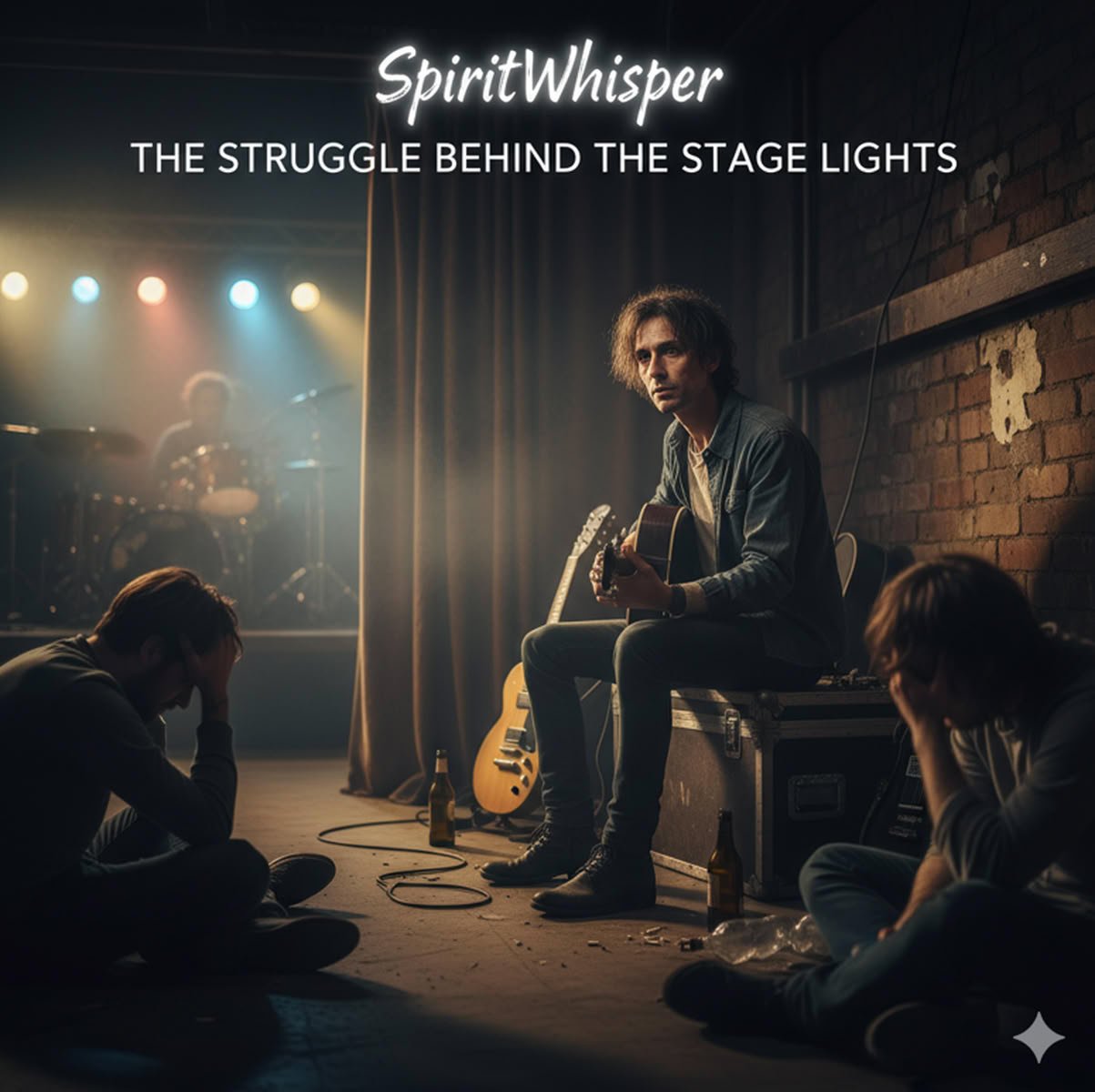
The Struggle Behind the Stage Lights
When I read about Pete Doherty refusing to bring Babyshambles back together because of
addiction fears, it hit me in a strange way. Not because I was shocked — if you’ve followed
his career at all, you know struggles with drugs and chaos are part of the story — but
because it felt so human, so fragile, and so real. We usually see musicians as these
untouchable figures who can survive anything. They fall apart, they get arrested, they go to
rehab, and then they bounce back with another tour, another album, another headline. But
what happens when the risk is too big? What happens when playing music with old friends
means stepping back into the fire?
Pete’s story made me think about how much we really know about the lives behind the music we
love. As fans, we beg for reunions. We want the nostalgia, the songs we screamed in our
teenage bedrooms, the concerts we missed, the memories we hope to recreate. But for the
people on stage, sometimes that reunion isn’t a celebration — it’s a risk. And in Pete’s
case, it was a risk tied to addiction, to dangerous patterns, and to the possibility of
slipping back into a life he has been fighting to leave behind.
It’s easy to romanticize rock and roll self-destruction. We’ve all heard the stories: the
trashed hotel rooms, the long nights of drinking, the wild tours where nobody remembers how
they even survived. And for years, that image has been packaged and sold as part of the
music. The tortured artist, the reckless genius — it’s all part of the myth. But myths don’t
show the hospital visits, the broken friendships, the nights of withdrawal, the funerals.
Myths don’t show how many times someone wakes up wondering if they can keep going.
When Pete talked about not reforming Babyshambles earlier because of addiction concerns, I
could almost hear the hesitation in his voice. It wasn’t just about him — it was about Mick
Whitnall too, about their unhealthy influence on each other, about the way being in the same
room could pull them back into old patterns. That honesty is rare. Most of the time, bands
just say “creative differences” or “scheduling issues” when things fall apart. But here, the
truth was clear: it wasn’t safe.
And that got me thinking about how often we, as fans, ignore the reality behind the stage
lights. We clap, we cheer, we beg for encores, but do we ever really think about what it
takes for these people to stand in front of us night after night? Addiction doesn’t
disappear because the stage is lit. Depression doesn’t vanish because the crowd is singing
along. The show must go on — but sometimes the show shouldn’t go on, at least not until
people are truly ready.
I’ve never been a rock star, but I think about my own life. How many times have I pushed
myself to do something just because others expected it? How often have I ignored my own
limits, only to end up worse off than before? That’s what this story reminded me of: that
even our heroes have limits, and sometimes respecting those limits is the bravest thing they
can do.
When Babyshambles finally announced reunion shows for this year, the news came with a
bittersweet note. Patrick Walden, the band’s former guitarist, had passed away not long
before. It made me realize how fragile time is. We wait, we hesitate, we tell ourselves
there’s always another day to fix things, another chance to play again. But sometimes that
chance never comes. The reunion will happen, but not with all the people who built those
songs, not with all the energy that once burned so brightly.
And maybe that’s another lesson: reunions aren’t about recreating the past perfectly.
They’re about finding whatever pieces are left and making something new out of them. But for
that to happen, people have to survive first. Pete refusing to reform Babyshambles all those
years was not about denying fans or killing the band’s legacy. It was about survival. About
not falling back into an addiction that could have destroyed him completely.
We often say, “The show must go on.” But sometimes the show can wait. Sometimes the bravest
act is pressing pause. Because what good is a reunion if it means losing someone
forever?
As I think about these upcoming concerts, I don’t just feel excitement. I also feel respect.
Respect for the honesty of saying “no” until the time was right. Respect for choosing health
over hype. Respect for facing the demons instead of pretending they were gone.
Maybe that’s what we, as fans, need to learn too. Music is a gift, but musicians are people.
People who struggle, who fall, who get back up, and who sometimes need to walk away to save
themselves. Behind the stage lights, there are battles we never see. And if those battles
mean waiting years for a reunion, then maybe the waiting is worth it. Because what matters
most isn’t the setlist or the encore — it’s that the people we admire are still alive to
sing those songs at all.
So when Pete and Babyshambles step back onto the stage this November, I’ll be
cheering, not just for the music, but for the fight it took to get there. And I’ll
remember that every chord, every lyric, every shout into the microphone is heavier
than it sounds — because it carries not only the history of a band, but the survival
of the people who made it.