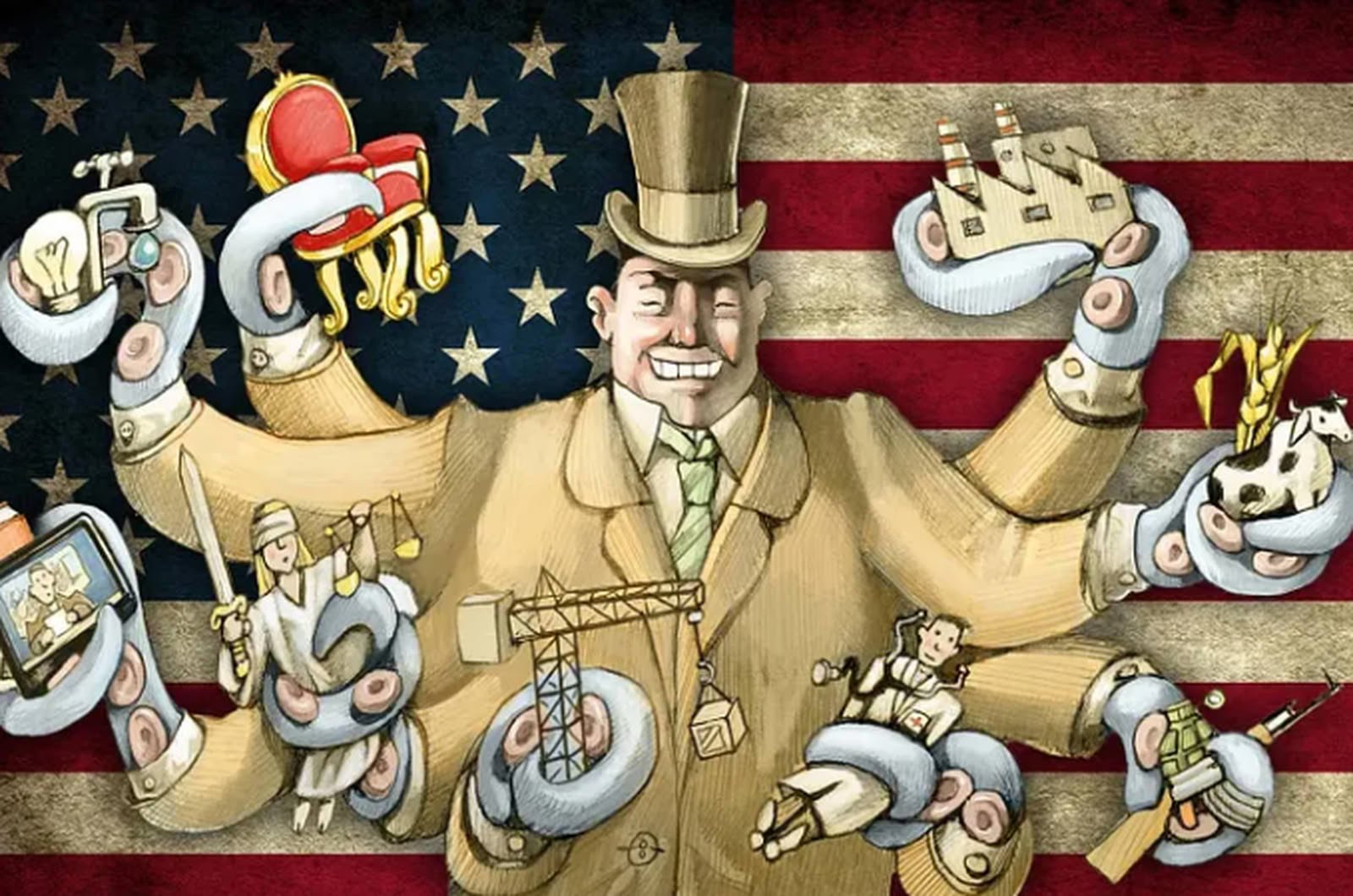
End of Greed, Dawn of Freedom
Capitalism, Economics, History, Philosophy, Politics
The world we inhabit today is a curious place. It is a world of abundance and yet, paradoxically,
a world of deprivation. It is a world where technology has reached heights once thought
impossible, yet millions toil in misery, struggling to afford the basic necessities of life. The
truth is, we have long been sold a lie — a lie that claims progress and prosperity are the
natural byproducts of capitalism, that free markets will inevitably lift all boats, that
patience will yield a better tomorrow. But tomorrow never comes, and the cracks in this fragile
facade are beginning to widen.
For centuries, humankind has been trapped in a cycle of exploitation, where a select few amass
unimaginable wealth while the masses fight over the scraps. We call this capitalism, but in
truth, it is nothing more than an updated version of feudalism — a system that shackles the many
to enrich the few. The factory replaces the manor, the stock exchange takes the place of the
royal court, but the essence remains unchanged. The worker, much like the peasant of old, labors
under the illusion of freedom, while his labor is stolen, repackaged, and sold for the benefit
of his master.
The Slow Collapse of Capitalism
Capitalism is not eternal. No empire, no ideology, no system has ever lasted indefinitely. It
thrives on perpetual expansion, on endless growth, but we live on a planet with finite
resources. The engine of capitalism demands more — more consumption, more labor, more profit —
but there is a limit to what can be taken. The environment has begun to revolt against our
relentless greed; the people, weary and disillusioned, are beginning to stir. Economic crises,
once seen as periodic aberrations, are now near-constant. Wages stagnate while corporate profits
soar; billionaires multiply while the poor starve. The system is in its death throes, though
many refuse to see it.
We must ask ourselves: When will we say enough? When will we refuse to be mere cogs in this
soulless machine? When will we, as a people, turn away from this exploitative system and forge
something new — something built not on greed, but on cooperation, fairness, and true
freedom?
The Myth of Scarcity
One of capitalism’s greatest tricks has been to convince us that scarcity is an immutable truth.
We are told that resources are limited, that competition is necessary, that poverty is an
unfortunate but unavoidable reality. Yet, this is a deliberate deception. The world today
produces more than enough food to feed every human being, yet millions go hungry. There is more
than enough wealth to ensure every person has shelter, education, and healthcare, yet these are
luxuries available only to the privileged few. Scarcity, in most cases, is manufactured. It is
the result of hoarding, of market manipulation, of policies designed to maintain inequality
rather than eliminate it.
If wealth were distributed based on need rather than profit, poverty would be eradicated
overnight. If production were guided by necessity rather than corporate greed, the world would
be a vastly different place. But such a transformation requires a shift in our collective
consciousness. We must reject the notion that we must fight each other to survive. We must
embrace the truth that cooperation, not competition, is the key to human flourishing.
The Future is Ours to Build
A new world is possible. The question is not whether capitalism will fall — it is already
unraveling before our eyes. The question is what will replace it. The wealthy and the powerful
will fight to maintain their grip on the world, using every tool at their disposal — media, law,
force — to crush any attempt at systemic change. They will tell us that alternatives are
impossible, that the only way forward is through continued exploitation. But history tells us
otherwise.
The feudal lords of old never imagined a world without kings, yet monarchy fell. The slave
owners of the past never believed their system would collapse, yet slavery was abolished. The
tyrants of the 20th century believed their rule would last a thousand years, yet they were
overthrown. Capitalism, too, will meet its end — not by accident, but by the will of the
people.
We must begin now. We must build communities based on solidarity rather than profit. We must
reclaim our labor, our land, and our lives. We must create systems of mutual aid, cooperatives
that empower workers, technologies that serve humanity rather than corporate interests. It will
not be easy. The path ahead is filled with challenges, with setbacks, with resistance. But
nothing worth building has ever come without struggle.
The Road Ahead
This transformation is not something that will happen overnight, nor is it something that will
be handed to us. It must be fought for. It must be built by those who dare to dream of something
beyond what they have been told is possible. It begins in the workplaces, in the streets, in the
hearts and minds of those who refuse to accept a world where suffering is normalized.
Workers must organize, not simply to demand better conditions within this broken system, but to
dismantle it entirely. Mutual aid networks must grow, allowing people to meet their needs
outside of exploitative economic structures. Communities must take control of the means of
production, reclaiming power from the hands of the few and redistributing it among the many.
Technology must be wielded for the public good, not for corporate profit.
The world we build will not be without struggle, but every great change has been won through
persistence and defiance. Those in power will resist, for they know that their days are
numbered. They will attempt to convince us that we are powerless, that we are too small to
challenge the machine they have constructed. But history is on our side.
We must dare to dream. We must dare to act. We must dare to build a future that is not dictated
by profit margins but by human dignity. The choice before us is stark — continue on the path of
destruction, or carve a new way forward.