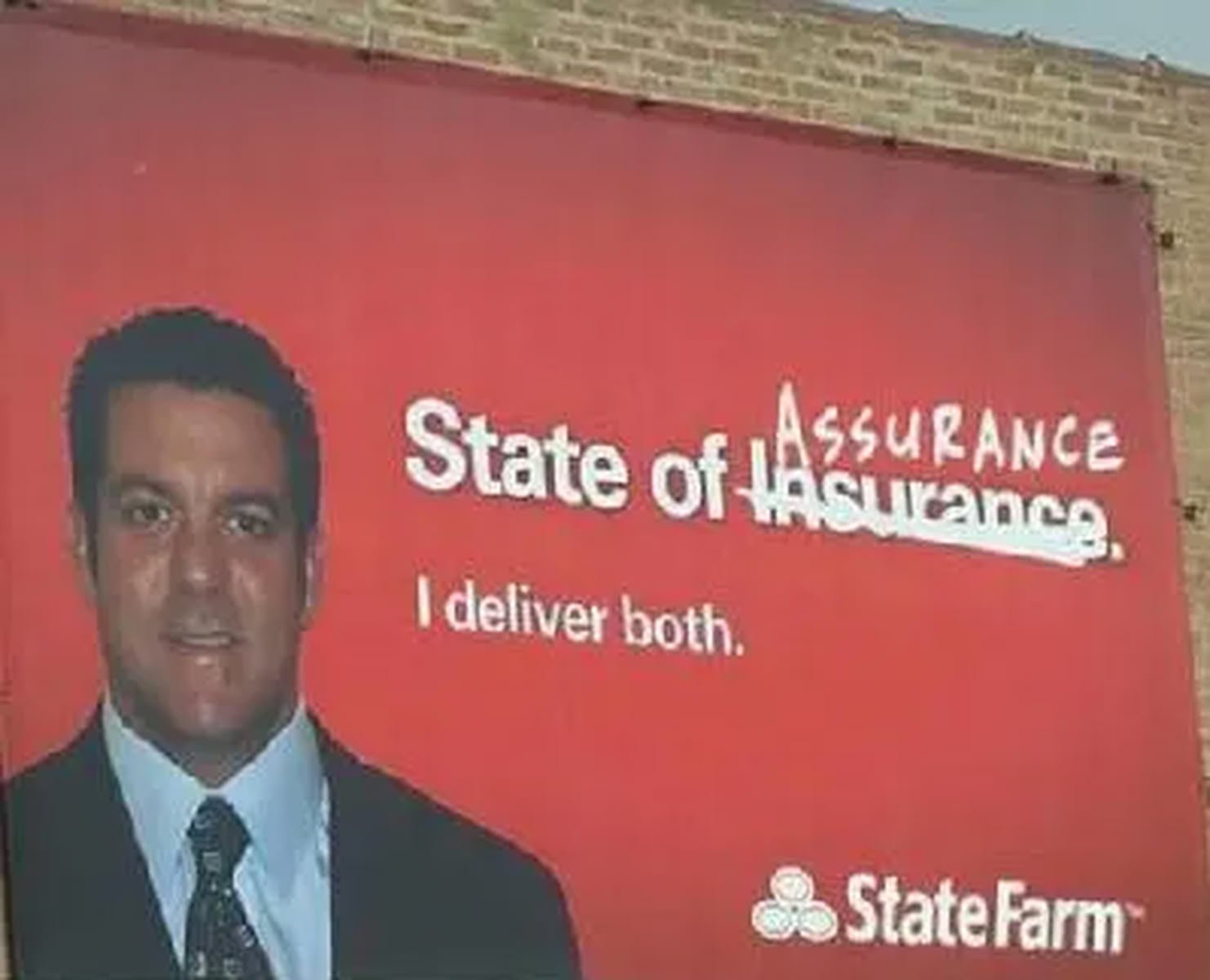
Insurance Without Assurance
A Cautionary Tale
Towards the end of November, a tree fell on the roof of my house, causing significant damage.
This unfortunate incident led me to file a claim with my homeowners insurance provider, State
Farm. On December 3rd, an inspector visited my home to assess the damage. After completing his
inspection, we had a face-to-face conversation where I emphasized the urgency of the situation.
I informed him that four days of heavy rain were forecasted for the New Jersey area and stressed
the importance of having my roof repaired as soon as possible to prevent further damage. The
inspector assured me that he would call me the next morning at 9 AM and expedite the claim
process to resolve the issue promptly.
Unfortunately, it is now December 12th, and no action has been taken. During the four days of
intense rainfall, the hole in my roof allowed water to seep into my home, causing damage
throughout the house. This has not only escalated the original issue but has also created a host
of additional problems. Despite repeatedly attempting to contact the inspector, he has
consistently failed to answer his phone. Frustrated, I reached out to State Farm’s customer
service three times. Each time, the representative assured me they had spoken to the inspector
and that the matter was being addressed. Yet, here I am, waiting, with nothing resolved.
This situation has left me deeply disappointed and disheartened. When I chose State Farm as my
insurance provider, I believed I was investing in a company that would stand by its promises and
provide timely assistance in moments of need. Instead, I have found myself entangled in a
frustrating cycle of unreturned calls and empty assurances, while my home continues to suffer
the consequences of inaction.
Insurance is meant to be a safety net, a source of support when unforeseen events disrupt our
lives. Yet, in this instance, it feels like that safety net has failed me. The lack of
communication and delayed action are not only unprofessional but also negligent. The damage to
my home has worsened, and the emotional toll of dealing with this situation has been
overwhelming. Every day that passes without resolution is another day of stress and frustration,
compounded by the knowledge that this could have been avoided if my claim had been handled
promptly.
What’s particularly upsetting is the inspector’s broken promise. When someone gives their word,
especially in a professional capacity, there is an expectation of follow-through. To promise a
call and swift action, only to disappear without a trace, is both irresponsible and
disrespectful. It’s a breach of trust that leaves me questioning the integrity of the entire
process.
I’ve done everything within my power to move this process forward. I’ve called, followed up, and
provided all the necessary information. The onus now lies with State Farm to uphold their end of
the agreement. The lack of accountability from the inspector and the repeated assurances from
customer service without any tangible results have left me feeling powerless and
ignored.
This ordeal has highlighted a broader issue within the insurance industry — the gap between
promise and performance. Customers pay their premiums diligently, expecting reliable service
when disaster strikes. Yet, when the moment comes, delays and bureaucracy often take precedence
over urgency and empathy. It’s a system that prioritizes protocols over people, leaving
policyholders stranded in their times of need.
State Farm’s slogan claims they are “like a good neighbor,” but my experience has been anything
but neighborly. A good neighbor checks in, lends a hand, and ensures you’re taken care of. A
good neighbor doesn’t ignore your calls or make promises they can’t keep. A good neighbor
certainly doesn’t leave you exposed to the elements while you wait helplessly for
assistance.
As I write this, I’m left wondering what it will take for my claim to be addressed. Will it
require more calls, more damage, or more frustration? Should I have to go to extreme lengths to
get the help I’m entitled to as a paying customer? These are questions no one should have to ask
when dealing with their insurance provider.
To anyone reading this, my advice is to be vigilant and proactive with your insurance claims.
Document everything, follow up persistently, and don’t hesitate to escalate matters if you’re
not getting the response you deserve. And to State Farm, I urge you to reflect on how you’ve
handled this situation. It’s not just about repairing my roof; it’s about restoring trust and
demonstrating that you truly care about your customers.
This experience has been a harsh reminder of the importance of advocacy and perseverance. While
I hope for a resolution soon, I also hope that sharing my story can serve as a wake-up call for
State Farm and other insurance companies to prioritize their customers’ needs and deliver on
their commitments. After all, insurance is more than a policy; it’s a promise of protection and
peace of mind when we need it most.
The delay in addressing my claim is not just a logistical failure but a breach of the trust that
underpins the relationship between an insurance provider and its customers. This trust is built
on the understanding that, in times of crisis, the insurance company will step in to provide
prompt and adequate support. When this expectation is not met, the consequences extend beyond
the immediate inconvenience. They undermine the very foundation of why people invest in
insurance in the first place.
Each day I wake up hoping for a resolution, and each day that passes without one chips away at
my confidence in the system. It is not merely about fixing my roof anymore. It’s about restoring
the sense of security that my insurance policy was supposed to guarantee. It’s about rebuilding
the belief that, in a moment of need, the promises made by State Farm can be trusted.
To State Farm, this situation is an opportunity to reflect on how claims are handled and how
customers are treated during their most vulnerable moments. The lessons learned here can lead to
meaningful changes that ensure future customers do not have to endure the same frustrations. It
is not too late to make things right. By taking immediate action to resolve my claim and
implementing measures to prevent similar delays in the future, State Farm can turn this negative
experience into a chance to demonstrate accountability and commitment to their
customers.
This ordeal has taught me the importance of advocating for oneself and not giving up, even when
the odds seem stacked against you. It has also reinforced the value of sharing experiences to
hold companies accountable and drive improvements. My hope is that this account will serve as a
catalyst for change, not just for State Farm but for the insurance industry as a whole.