Double Standards in Global Conflicts and Sports
A Personal Reflection
In a world that claims to value justice and human rights, the contrasting responses to various
international conflicts reveal unsettling double standards. One cannot help but question why
global outrage and sanctions are so selectively applied. As Israel’s military operations
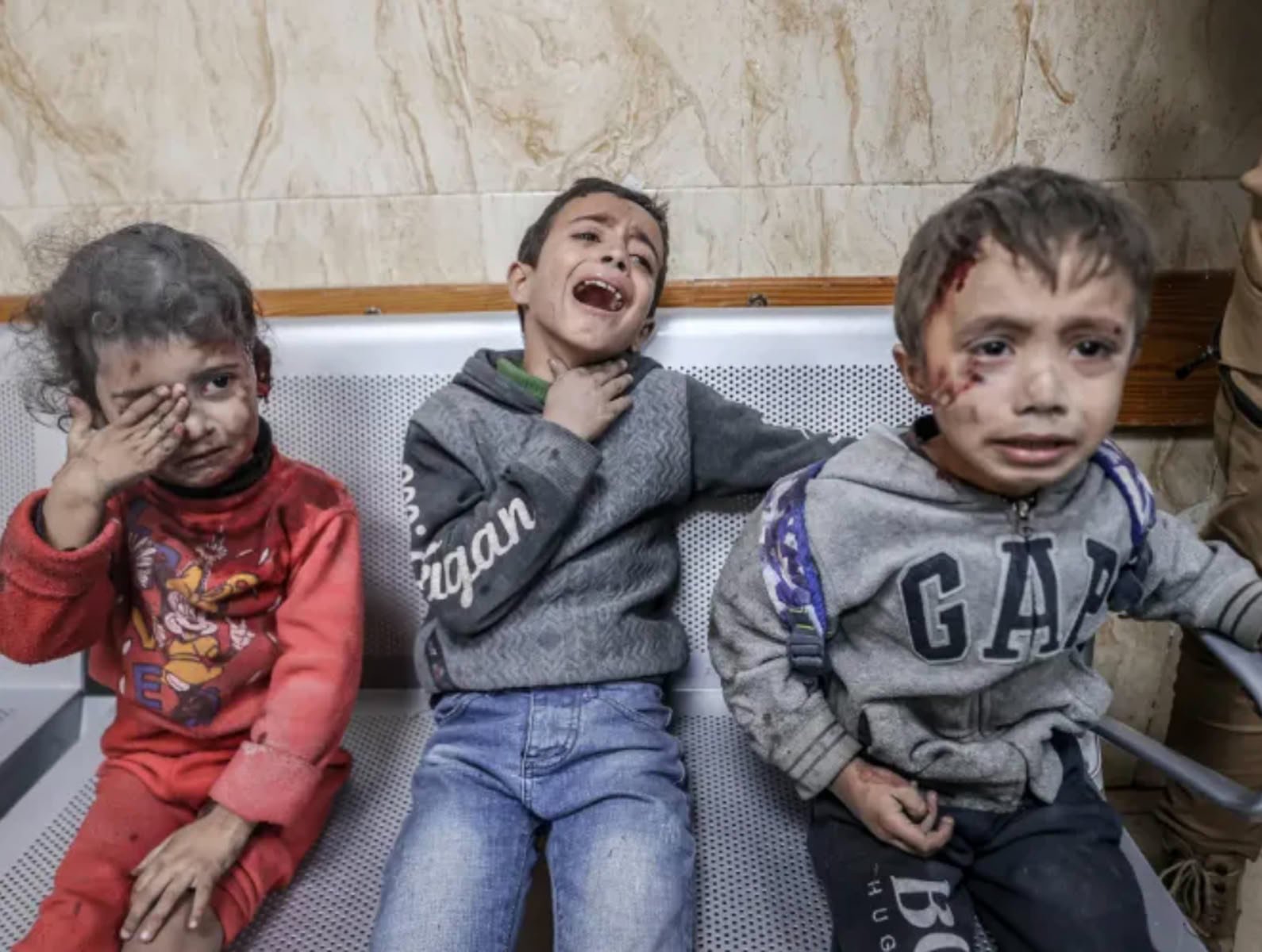
continue to claim innocent lives in Palestine, particularly among children, there is an eerie
silence from much of the international community. Yet, when Russia invades Ukraine, the reaction
is swift and fierce, with widespread condemnation, sanctions, and economic isolation. How is it
that such starkly different responses exist, particularly when it involves human suffering on
such a large scale?
These double standards are not just present in political realms; they extend to the world of
sports, especially in organizations like UEFA. While Russian teams were swiftly banned from all
UEFA competitions as a response to their country’s actions in Ukraine, Israeli teams face no
such repercussions, despite Israel’s ongoing and well-documented military aggression against
Palestinians. The hypocrisy here is glaring. Is the suffering of Ukrainian civilians somehow
more significant than that of Palestinians? Are Palestinian lives seen as less valuable, less
worthy of international sympathy and protection? These are questions that demand answers, yet
those in power seem to evade them with convenient silence.
1. Why Does the World React Differently?
When Russia invaded Ukraine, governments worldwide responded decisively. Western powers united,
imposing heavy economic sanctions, expelling Russian diplomats, and providing Ukraine with
military support. News outlets and social media platforms consistently highlighted the horrors
faced by Ukrainian civilians, particularly women and children, evoking a sense of shared
responsibility across the globe.
But when it comes to Israel’s actions in Palestine, particularly the indiscriminate killing of
Palestinian children, where is that same global solidarity? Where are the sanctions, the
diplomatic expulsions, and the military aid for the oppressed? Instead, we see major Western
powers either remain silent or, worse, openly support Israel, defending its actions under the
guise of “self-defense.” Yet, anyone looking at the situation objectively can see that there is
no justification for targeting innocent civilians, especially children.
2. UEFA’s Double Standards in Sports
UEFA, the governing body for European football, wasted no time in excluding Russian teams from
all tournaments, citing Russia’s aggression against Ukraine as a violation of human rights and
international law. The message was clear: violence and oppression would not be tolerated in
their competitions. But if that’s truly the stance UEFA is taking, then why is it that Israeli
teams are allowed to compete freely, despite Israel’s ongoing aggression against
Palestinians?
The selective morality here is staggering. Palestinian football teams and players face constant
harassment, with stadiums destroyed, players arrested or even killed, and restrictions imposed
that make it nearly impossible for them to participate in international sports. Despite these
clear violations of basic human rights and the very spirit of fair play, UEFA remains silent.
There is no ban, no suspension, no investigation. Instead, Israeli teams continue to play,
unaffected by the actions of their government, as if the suffering in Palestine simply doesn’t
matter.
3. The Impact of Selective Outrage
This selective outrage sends a dangerous message: that some lives are more valuable than others,
that some conflicts are worth addressing while others can be ignored. It implies that as long as
certain countries or groups hold strategic alliances or political influence, they can act with
impunity, free from the consequences imposed on others. This double standard only deepens
divisions, fuels resentment, and perpetuates cycles of violence.
For Palestinians, this hypocrisy is not just frustrating — it’s deeply painful. They see a world
that not only ignores their suffering but, in many cases, actively funds and supports their
oppressors. When international organizations like UEFA fail to uphold consistent standards, it
reinforces the notion that Palestinian lives do not matter on the global stage. This has a
profound impact on young Palestinians who look up to sports as an escape, as a dream, only to
realize that even in the world of sports, they are denied equal treatment and representation.
4. A Call for Consistency and Humanity
If we are to create a world based on justice and human rights, we cannot afford to turn a blind
eye to any oppression, regardless of who the oppressor is. Human suffering is human suffering,
whether it’s in Ukraine or Palestine. It is time for the international community, including
organizations like UEFA, to hold all nations accountable for their actions. If Russian teams are
to be banned for their government’s actions, then Israeli teams should face the same consequence
for the actions of their government. Anything less is hypocrisy.
Let us remember that in the eyes of the children affected by these conflicts, there is no
politics, no ideology — only pain, fear, and loss. Their lives are not bargaining chips; they
are innocent, deserving of protection and empathy. We owe it to them to be consistent in our
outrage, to speak out against all forms of oppression, and to demand accountability from those
who hold power, regardless of their alliances or political influence.
Standing Against Hypocrisy
It’s time we collectively demand that our governments, our media, and our sports organizations take a stand against this hypocrisy. We must hold them accountable for promoting selective justice, for valuing certain lives over others. For as long as we allow double standards to dictate our actions, we perpetuate a world where oppression goes unchallenged, and suffering continues unabated.