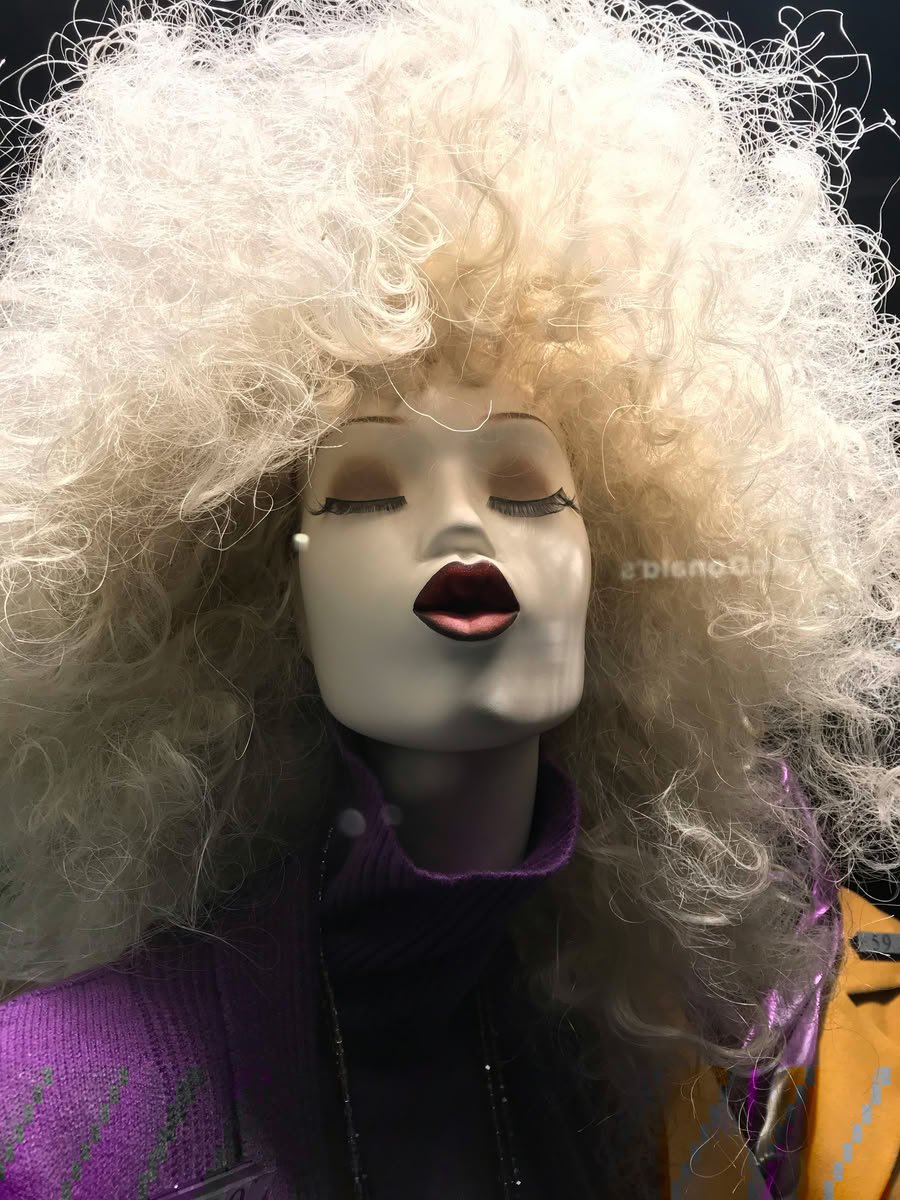
Lucy’s Symphony of Distractions
Once upon a time, in a small town nestled in the heart of the country, lived a young girl
named Lucy. To anyone observing, Lucy appeared just like any other teenager, apart from one
minor detail. She was navigating the waters of her youth with the additional burden of an
attention deficit disorder.
From the outside, Lucy seemed to be living in a world of her own, often lost in her
thoughts, missing the details of the conversations around her, or forgetting things more
frequently than her peers. But beneath the surface, in her internal world, Lucy was fighting
battles far beyond her years, emerging stronger with each passing day.
Her mind was like a canvas splattered with vivid colors of thoughts, ideas, and dreams. But
these colors often merged, making it difficult for her to discern one from another. This
resulted in a constant buzzing noise in her mind, a noise that drowned the world around her,
and at the same time, kept her away from her true potential.
Still, amidst all the challenges, Lucy found her sanctuary in her world of art. The
unpredictability of her thoughts surprisingly found order when she held a paintbrush in her
hands. On the canvas, Lucy could express what she couldn’t in words. Her art was her solace,
her way of connecting with the world, and most importantly, her way of connecting with
herself.
One day, as Lucy was walking home from school, she saw an advertisement for a local art
competition. The theme of the competition was ‘Hope,’ something that had been stirring
within Lucy for a while now. She decided to participate, hoping that this would be her
breakthrough, a chance to make her voice heard.
Days turned into nights as Lucy put her heart and soul into her artwork. The more she
painted, the clearer her thoughts became. She wasn’t merely painting a picture; she was
weaving a story, her story. It was a depiction of a girl rising above the fog of her
disorder, reaching out to a star titled ‘Hope.’
Finally, the day of the competition arrived. As Lucy unveiled her art, there was a moment of
silence, followed by an uproar of applause. Her painting spoke volumes to everyone present.
It was a vivid portrayal of struggle, resilience, and the triumph of hope against all
odds.
The judges were touched and awed by the profound emotion and depth of Lucy’s painting. It
was clear that she had won not just the competition but also the hearts of many. They
announced Lucy as the winner, stating, “Her art not only shows a deep understanding of the
theme but also conveys a personal journey that resonates with us all.”
The joy of being acknowledged and understood filled Lucy with newfound strength and
optimism. That night, she slept with a smile on her face, knowing she had taken a step
toward her ultimate goal of understanding and connecting with the world around her.
And so, Lucy’s journey continued, but with a renewed sense of purpose and confidence. She
realized that while her attention disorder posed certain challenges, it also allowed her to
view the world from a unique perspective, a perspective she could share through her
art.
This victory was just the beginning for Lucy. It wasn’t merely a validation of her talent
but an affirmation of her journey. She now knew that her unique worldview was not a
liability but a strength. The young girl, once lost in her thoughts, had found her voice and
was ready to make it heard.
From that day forward, Lucy’s life was different. The buzzing noise in her mind turned into
a symphony of creativity, and her interactions with the world became more enriching. She
realized that every individual has their unique battles, and it’s these battles that make us
who we are. Lucy’s story serves as a reminder that even in the face of adversity,
hope.
From then on, every art piece she created was a testament to her journey. She painted
stories of resilience and hope, challenging her struggles, expressing her emotions, and
touching the lives of those who viewed her art. Her attention deficit, once a hindrance, had
become a crucial part of her narrative, a unique lens through which she saw and interpreted
the world.
Lucy’s unique perspective allowed her to connect with others in ways she had never imagined.
She realized that her ‘disorder’ was a unique part of her, contributing to her uniqueness
and creativity. She no longer felt alone or misunderstood; instead, she felt a sense of
belonging and acceptance.
Lucy’s story spread far and wide. She became an inspiration for many, showing that adversity
does not define us; it refines us. She showed that every challenge we face can be turned
into a stepping stone toward greatness, and that hope, indeed, is the strongest force that
propels us forward.
Lucy continued to paint, each stroke a testament to her growth. She found joy in the process
and fulfillment in the outcome. She was no longer just a girl with attention deficit
disorder; she was an artist, a beacon of hope, and an advocate for acceptance and
understanding.
The young girl who had once struggled to focus on the world around her had discovered her
voice and her place in the world. Her journey had taught her that her attention deficit was
not a limitation, but a different way of experiencing the world, one that was filled with
color, emotion, and a unique sense of understanding.
In the end, Lucy found more than just success; she found contentment and a deep sense of
self-worth. She had proved to herself and the world that her ‘disorder’ was not a stumbling
block, but a stepping stone towards her dreams.
And so, Lucy’s story serves as a reminder to us all that our challenges do not define us,
but rather, how we respond to them does. It’s our resilience in the face of adversity, our
willingness to embrace our unique traits, and our determination to turn our struggles into
strengths that truly define us.